Course creators
Turn lesson notes into a listening companion for students reviewing away from the screen.
A clearer spoken version makes dense material easier to revisit.
how to use voicemaker onlineText to speech
A text to voice converter free workflow turns written words into a listenable voice track. Prepare narration, explainers, lessons, or character lines here, then continue to the partner tool with your prompt ready.

Before and after
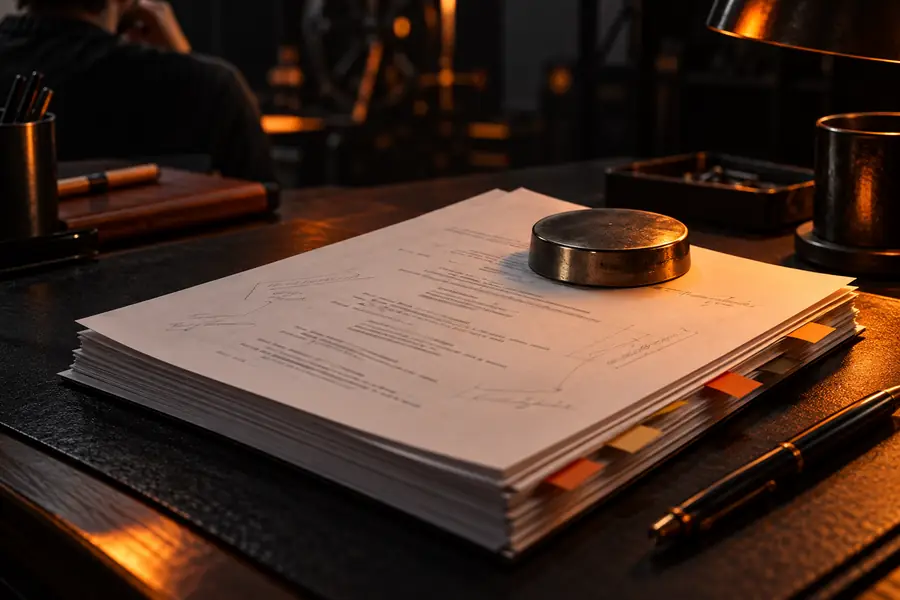
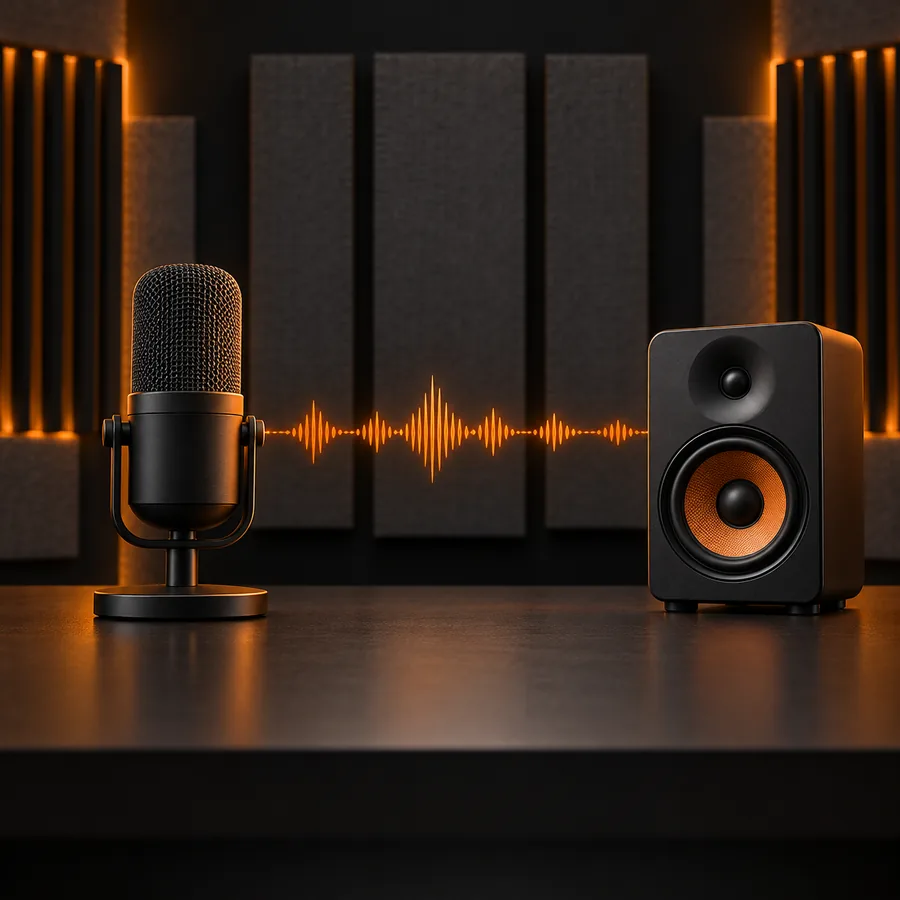
The input is a written script; the output is an audio interpretation. The useful change is not just format, but the addition of pacing, emphasis, tone, and a voice suitable for listening.
 Written text
Spoken result
Written text
Spoken result
Drag the divider to compare the source idea with its voice-oriented presentation.
Written textSpoken resultPractical uses
Different listeners need different kinds of delivery. Start with the same written message, then shape the prompt around the person who will hear it.
Turn lesson notes into a listening companion for students reviewing away from the screen.
A clearer spoken version makes dense material easier to revisit.
how to use voicemaker onlinePrepare narration for a short tutorial, product walkthrough, or explainer before editing the visuals.
A defined delivery brief gives the edit a steadier voice target.
voice maker aiTest dialogue, scene descriptions, or character introductions as audio rather than silent page text.
Hearing the lines exposes pacing issues and awkward phrasing earlier.
voicemaker examples femaleCreate a spoken reading plan for public information, internal guidance, or simple announcements.
The script can be reviewed for clarity before it is sent for voice generation.
voice maker online freeWorkflow comparison
Use the left side to prepare the source text and the right side to define the intended voice result. Keeping both visible reduces vague prompts and unnecessary rewrites.
Primary material
Written input
A script, paragraph, dialogue passage, or lesson note
Voice output
A spoken interpretation of the supplied wording
Main control
Written input
Words, sentence order, spelling, and punctuation
Voice output
Voice direction, tone, pacing, and emphasis
Best starting point
Written input
Short sections with one clear purpose
Voice output
A delivery brief that names the audience and mood
Quality check
Written input
Read for meaning, pronunciation, and clarity
Voice output
Listen for rhythm, pauses, stress, and suitability
Typical revision
Written input
Rewrite unclear or overly long sentences
Voice output
Adjust the voice direction or split the script into sections
Useful handoff
Written input
A clean copy of the final text
Voice output
A prepared prompt describing the desired spoken result
Prompt examples
These examples show how a plain script request can become a more specific voice brief. Copy the prompt, then replace the subject, audience, and delivery details with your own.
Read a short welcome message in a warm, confident female voice with natural pauses and a friendly finish.
Explain how to reset a device in a calm, precise voice. Keep each step distinct and pause briefly between instructions.
Perform this playful character introduction with bright energy, expressive emphasis, and a short pause before the final line.
 1
Narration
1
Narration
 2
Tutorial
2
Tutorial
 3
Character
3
Character
Adapt the audience, mood, pacing, and pronunciation notes while keeping the script itself concise.
Continue exploring
Choose the next page according to the kind of voice task you are planning, not just the wording of the request.
Know the limits
A written-to-voice workflow is useful, but it is not the same as a full audio production desk. Set expectations before you hand off the prompt.
A voice result can make confusing wording more noticeable, but it does not replace editing the source script.
Workaround
Shorten long sentences and read the text aloud before conversion.
Tone words such as calm or dramatic guide the result, yet delivery can vary with the script and selected voice.
Workaround
Use concrete direction about pace, pauses, audience, and emphasis.
Pronunciation, names, abbreviations, and timing still need a listen-through after generation.
Workaround
Mark unusual terms in the prompt and review the complete output.
This page prepares a text-to-voice request rather than promising mixing, mastering, or detailed waveform repair.
Workaround
Finish the spoken track first, then use an appropriate audio editor if production work is needed.
Plan your script
Use the slider to estimate the amount of source text and approximate listening time at a general reading pace. It is a planning aid, not a promise about the partner tool’s output.
characters
minutes
Ready to convert
Write the message first, describe the intended delivery second, and use the prepared handoff to continue your voice workflow. A focused script gives the next tool better material to work with.
Convert my textVariant FAQ
It takes written material such as a script, paragraph, or dialogue passage and prepares it for spoken delivery. The workflow focuses on turning text into a voice-oriented result rather than changing an existing recording.
Include the text or a clear description of it, the intended audience, and the delivery you want. Tone, pacing, pauses, pronunciation notes, and emphasis are more useful than broad instructions such as simply saying “make it sound good.”
Long material is usually easier to review when divided into purposeful sections. Smaller passages make pronunciation, pacing, and revisions easier to check before you assemble the final spoken project.
Yes, written narration and instructional scripts are natural use cases for a text-to-voice workflow. Keep steps distinct, explain the intended pace, and listen back for names, technical terms, and transitions.
Descriptions guide the delivery but cannot guarantee an identical performance every time. Use specific direction, test a short passage first, and revise the prompt if the tone, pauses, or emphasis are not suitable.